Ines Fernandez de Cordova
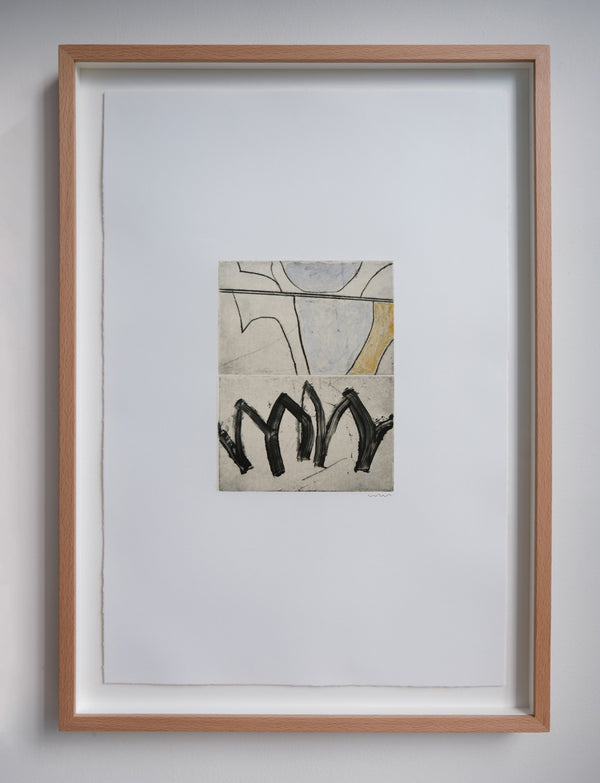
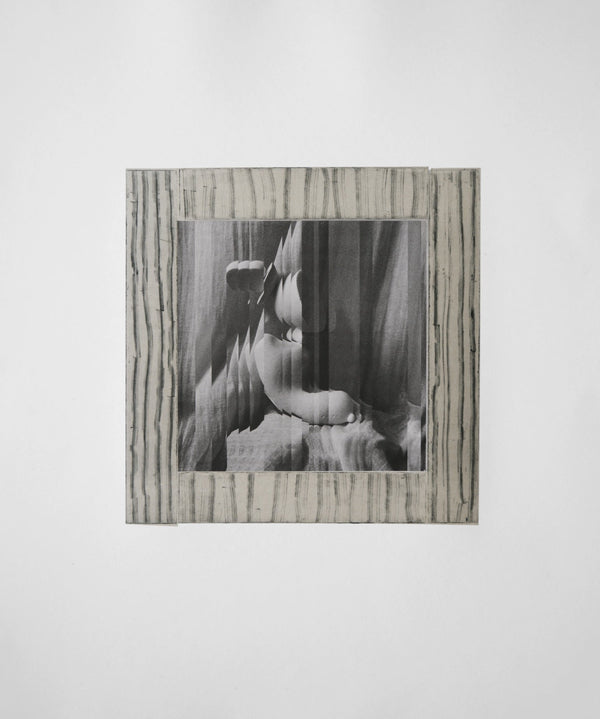
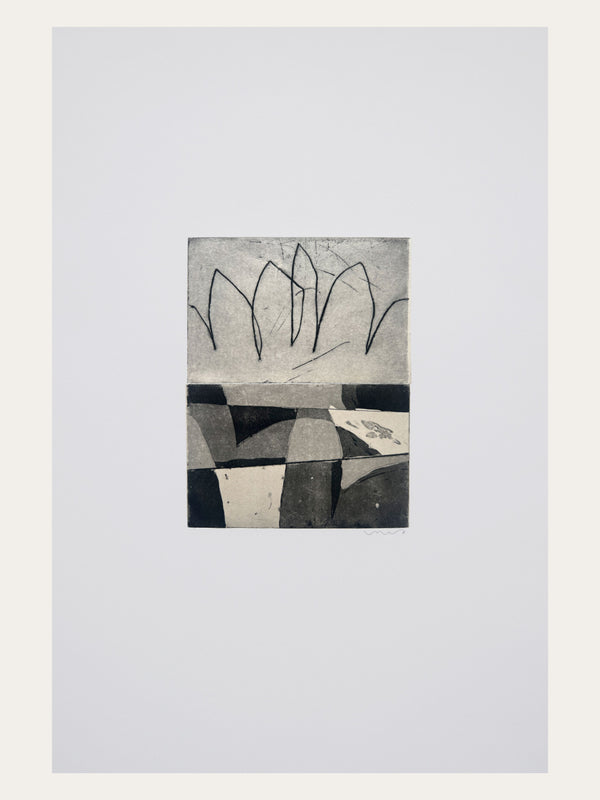
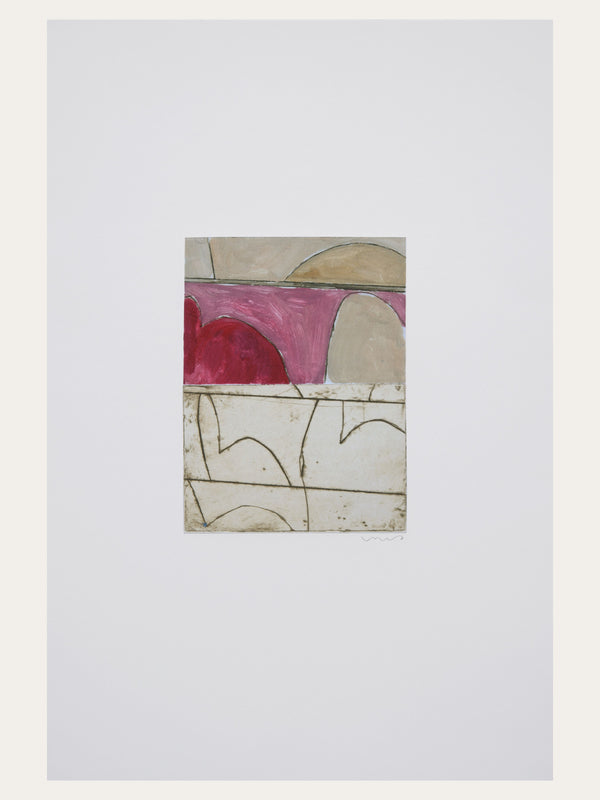
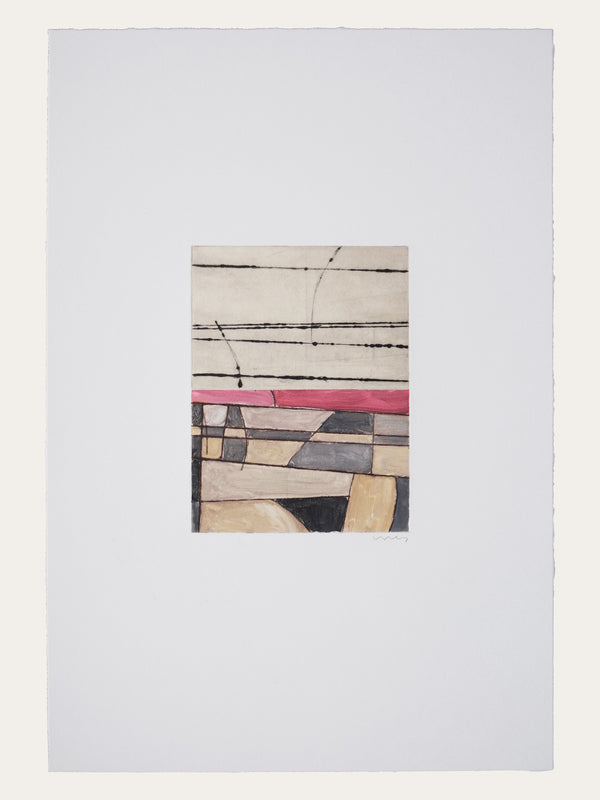
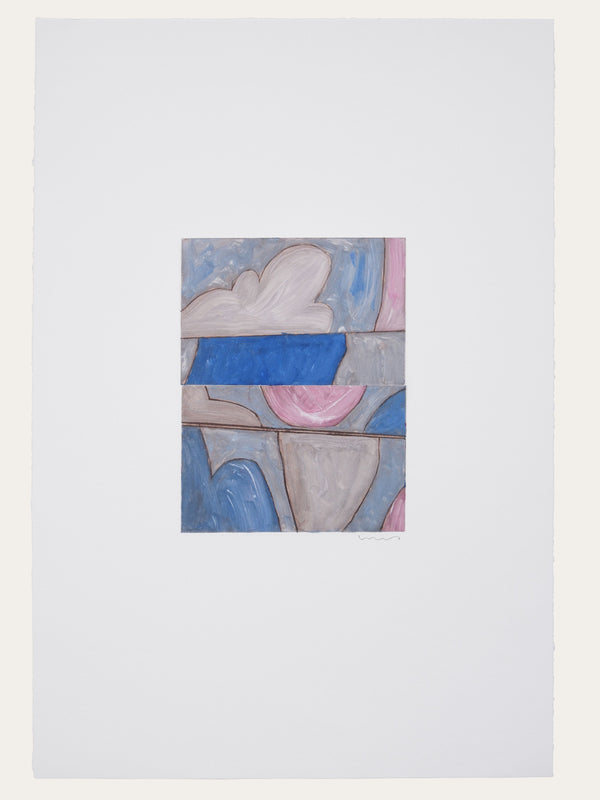
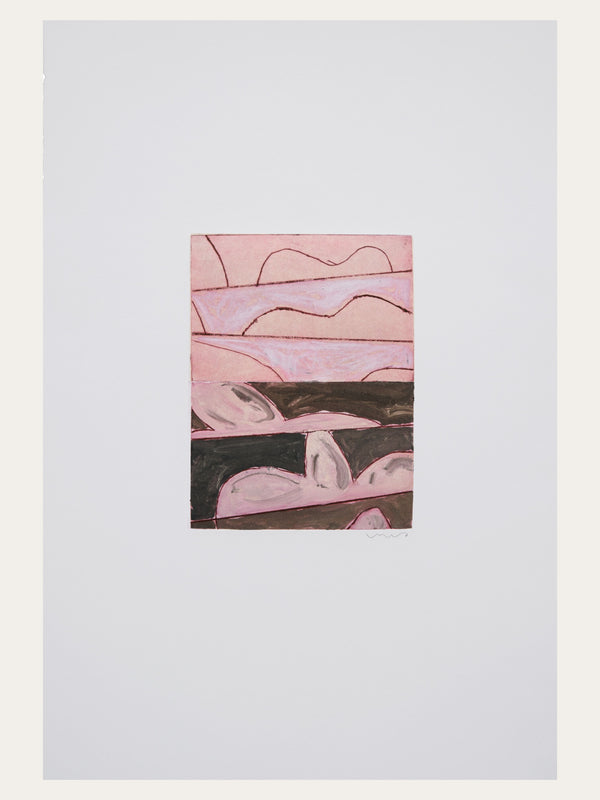
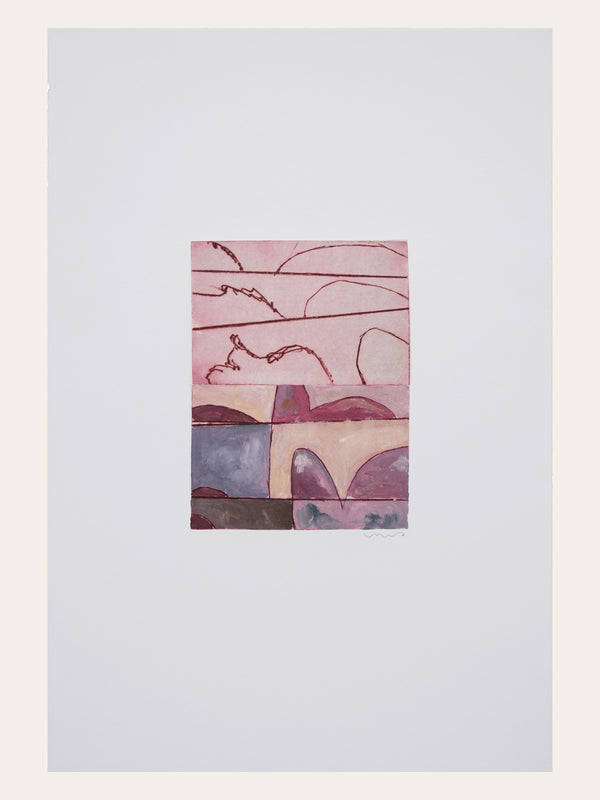
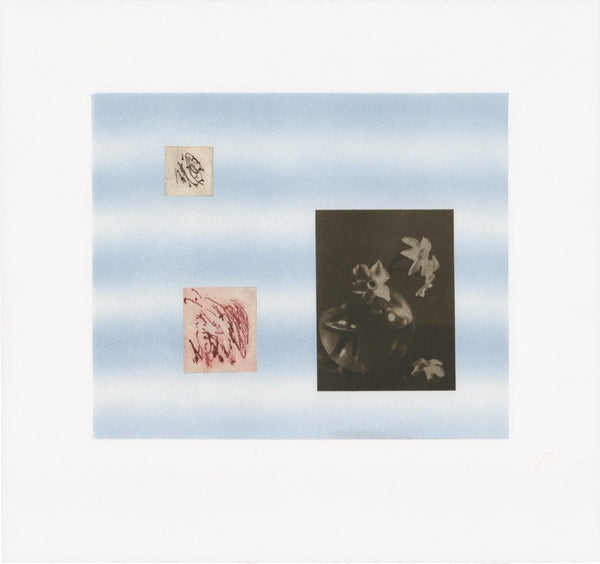
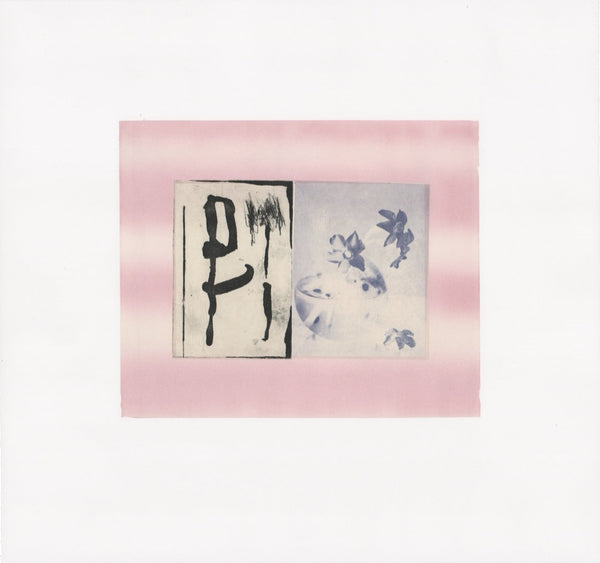
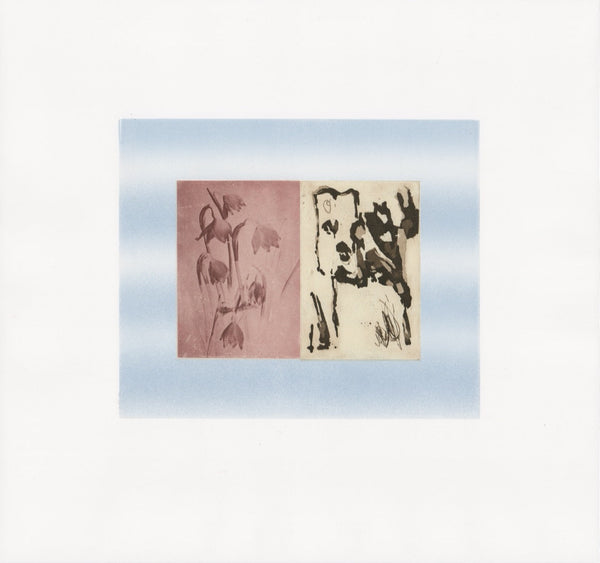
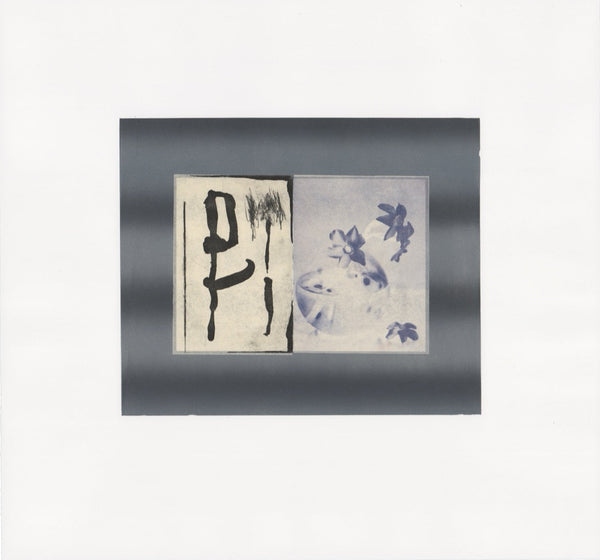
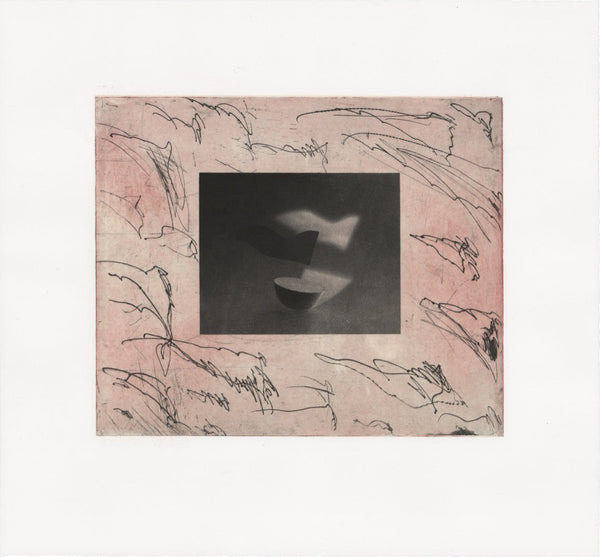
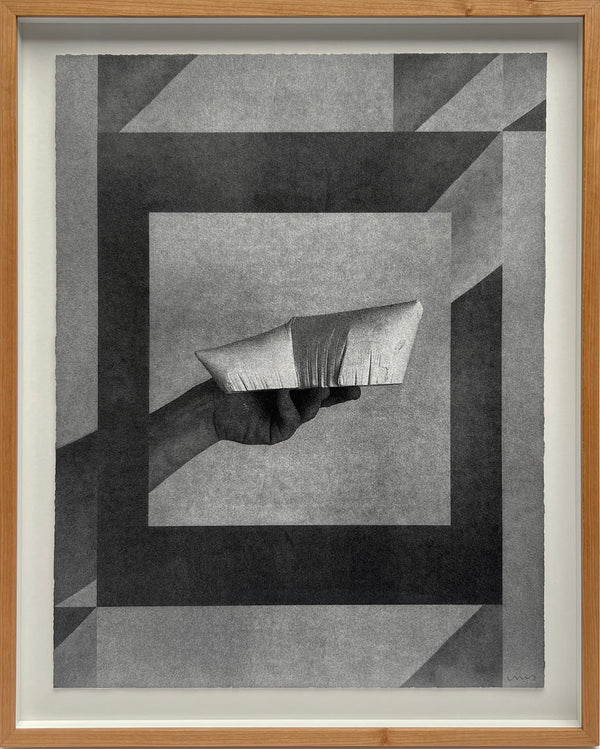
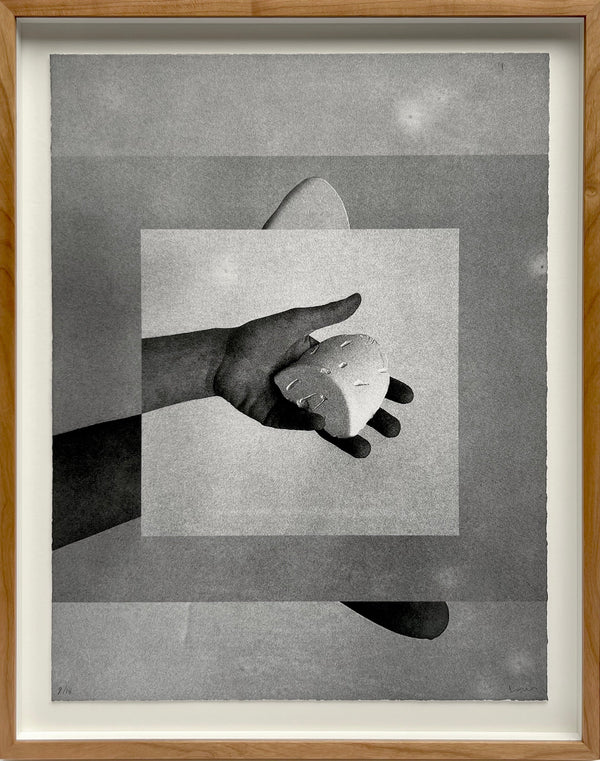
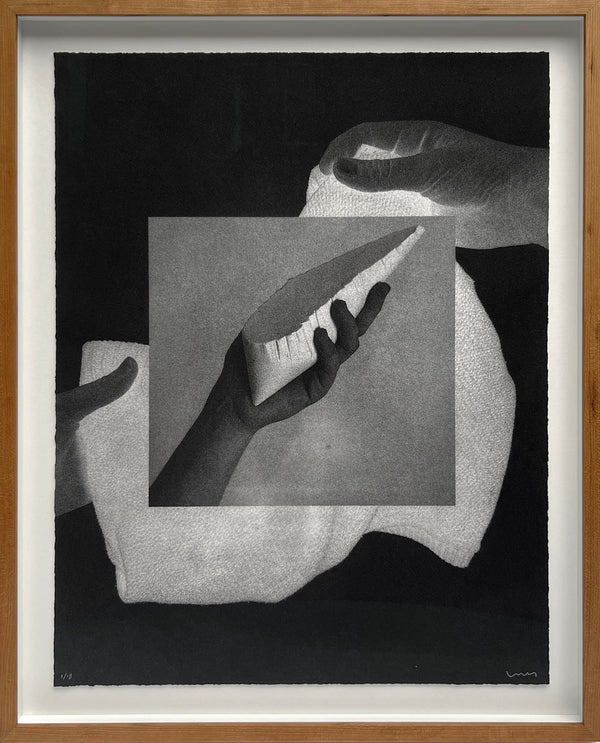
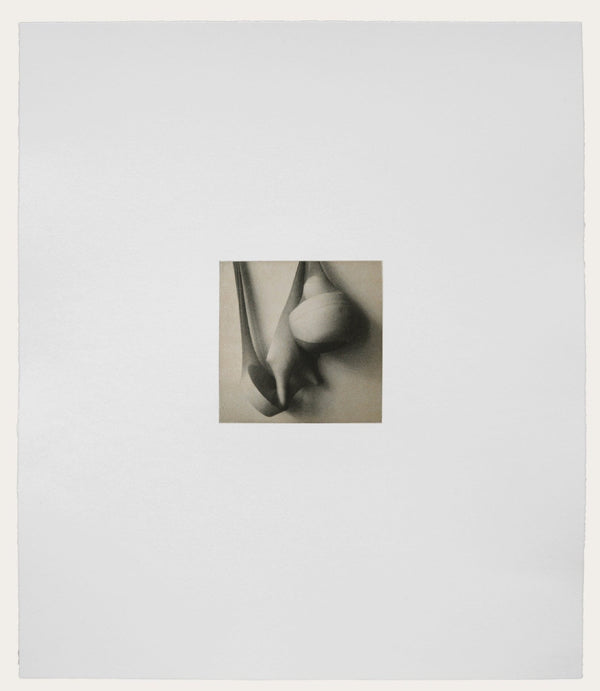
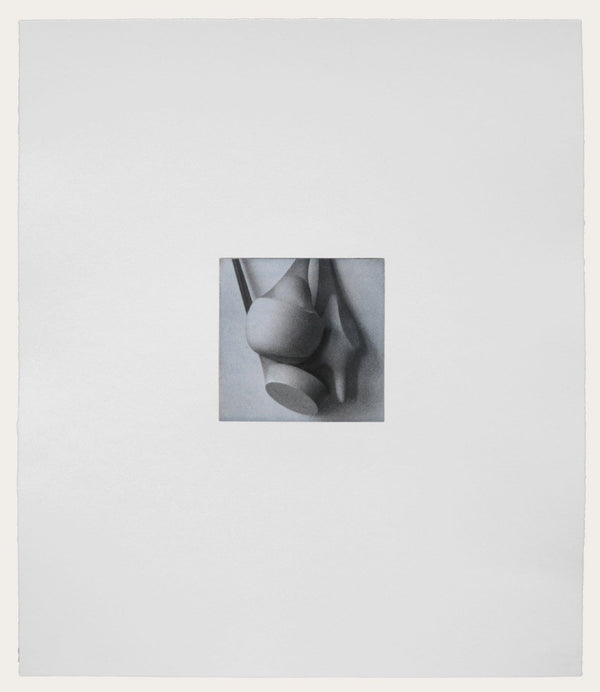
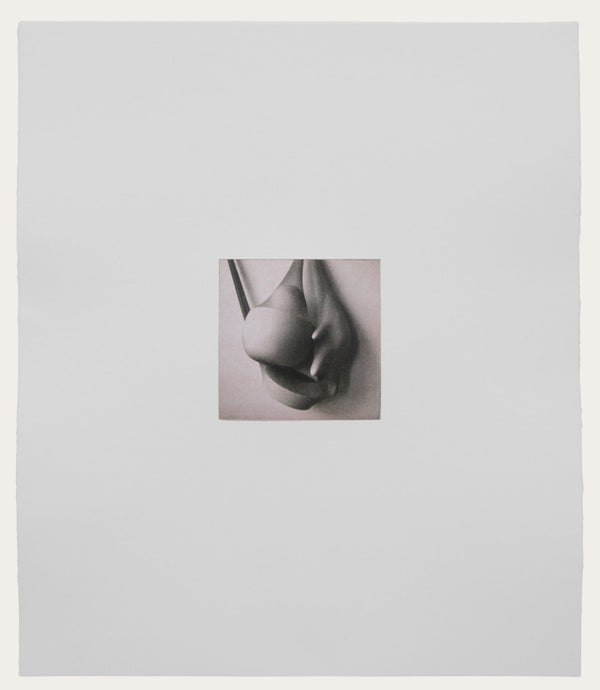
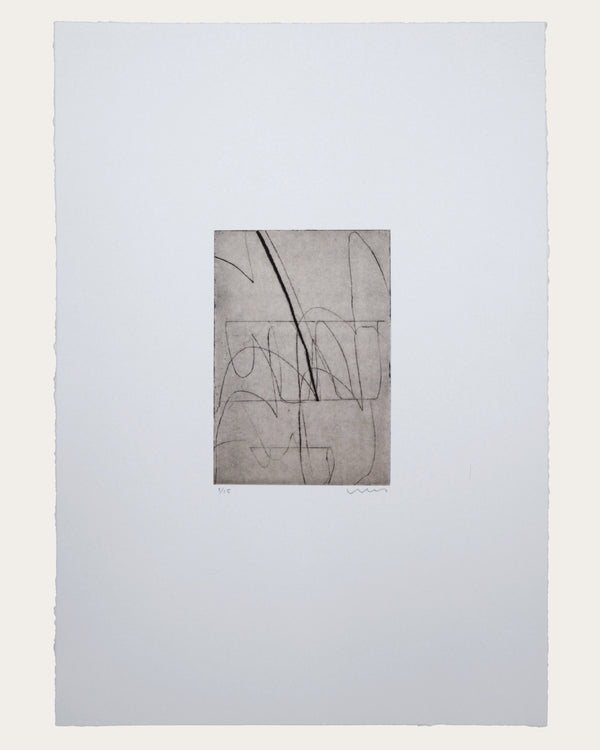
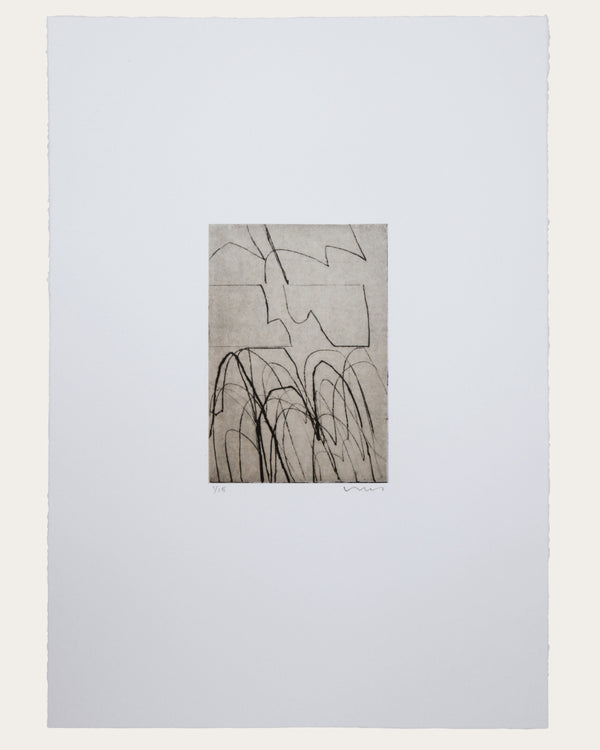
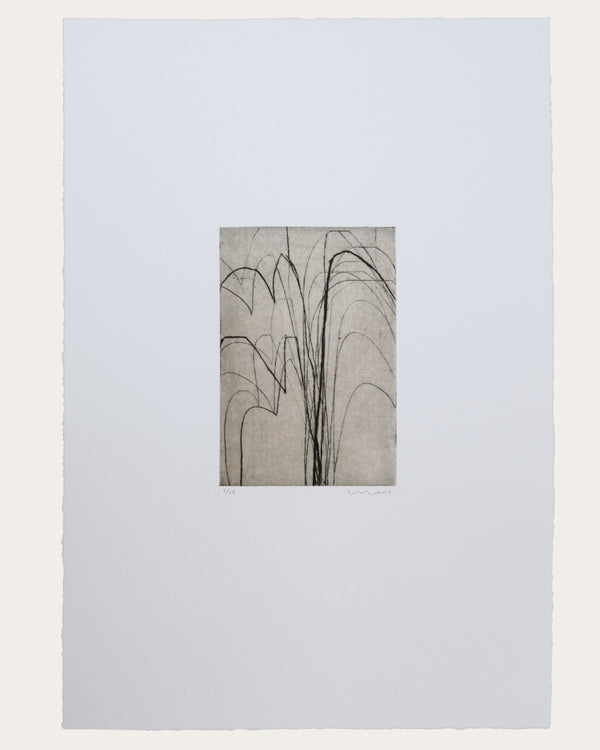
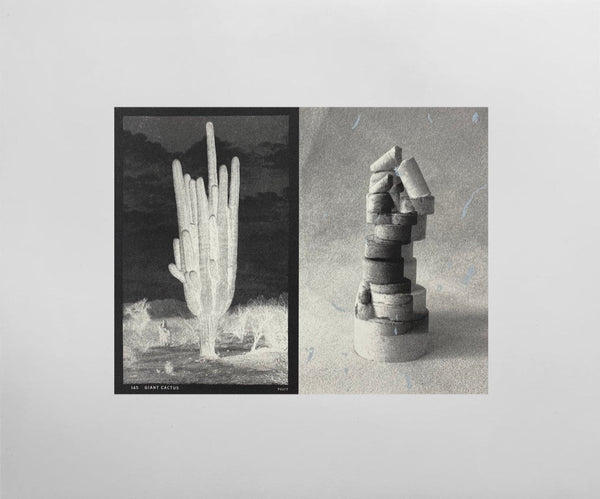
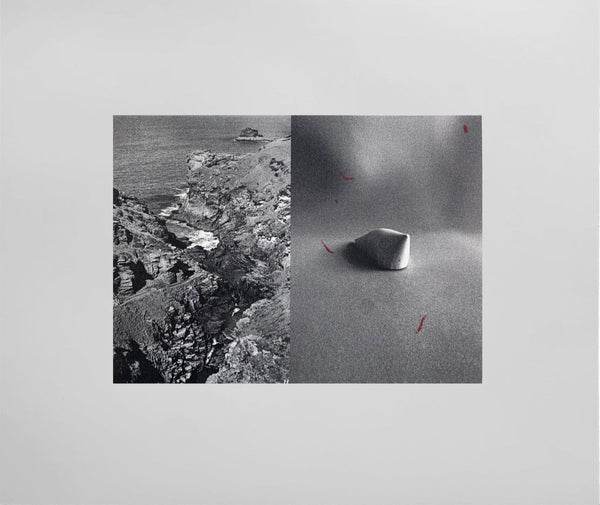
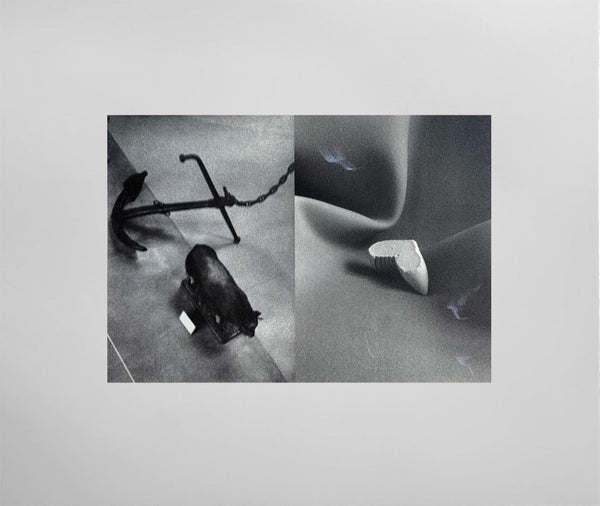
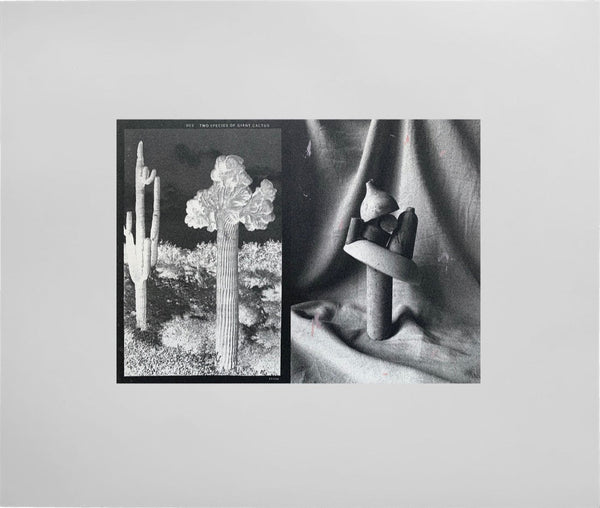
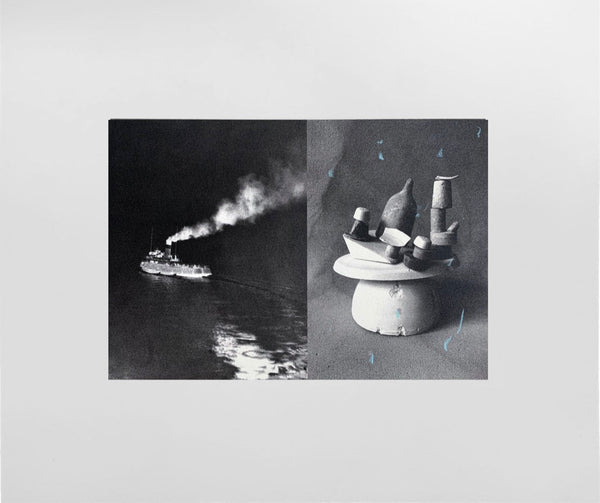
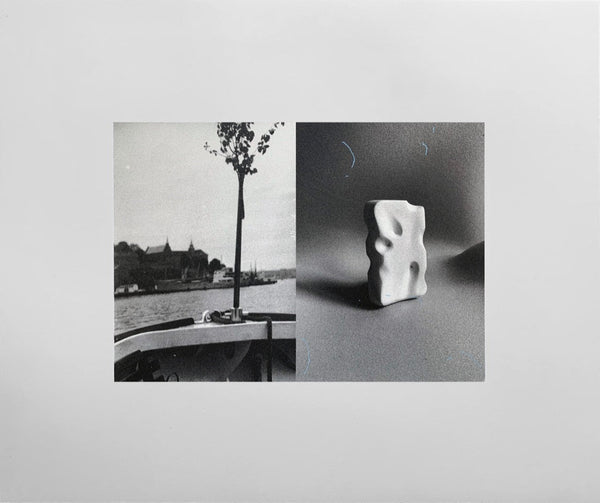
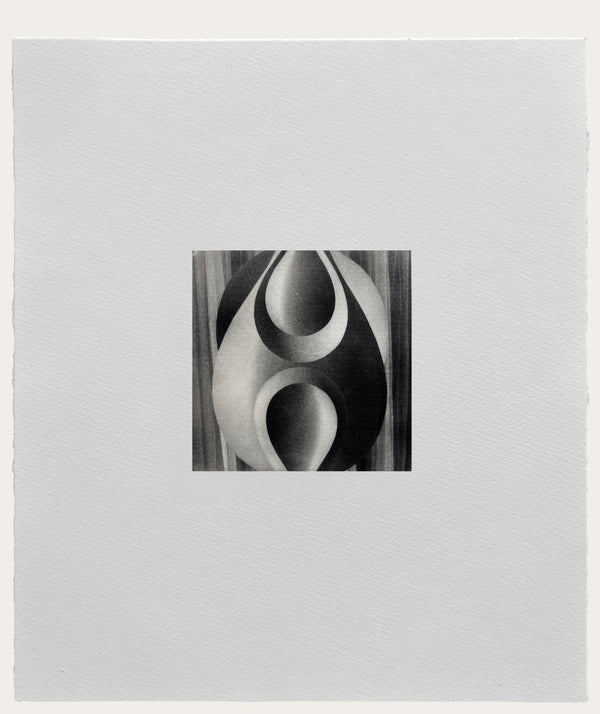
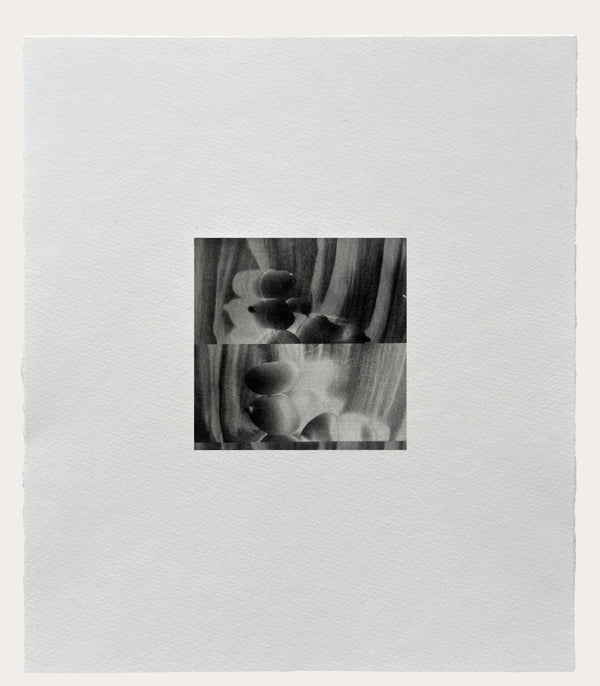
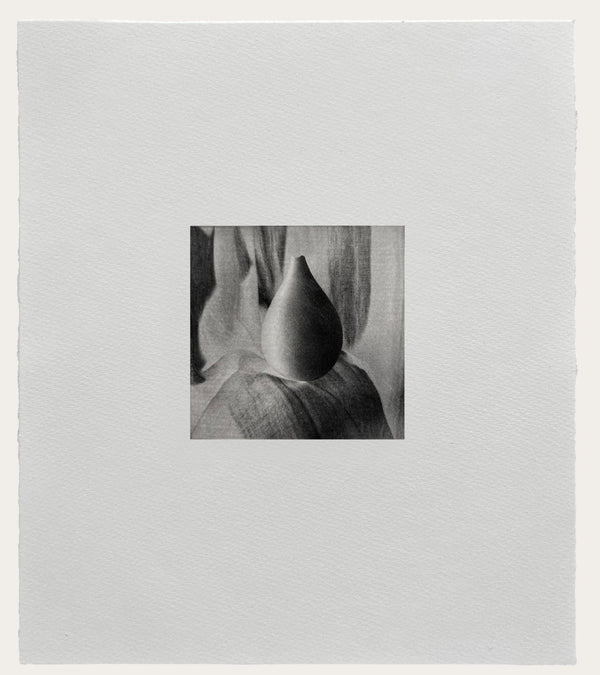
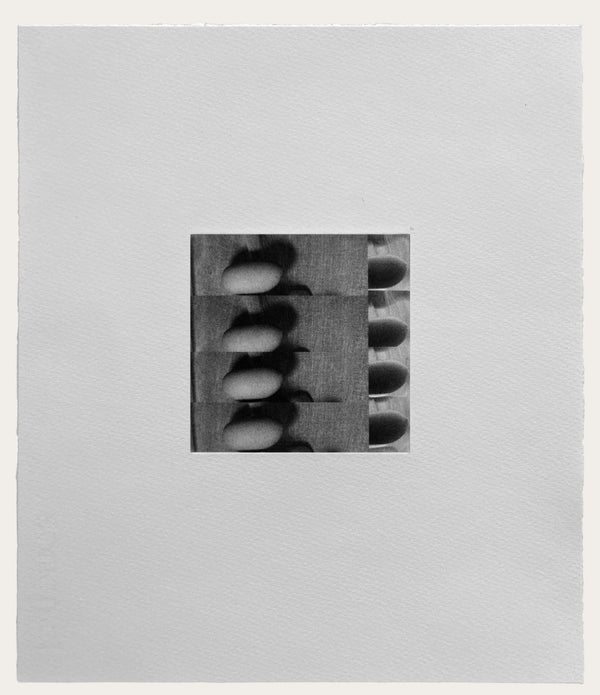
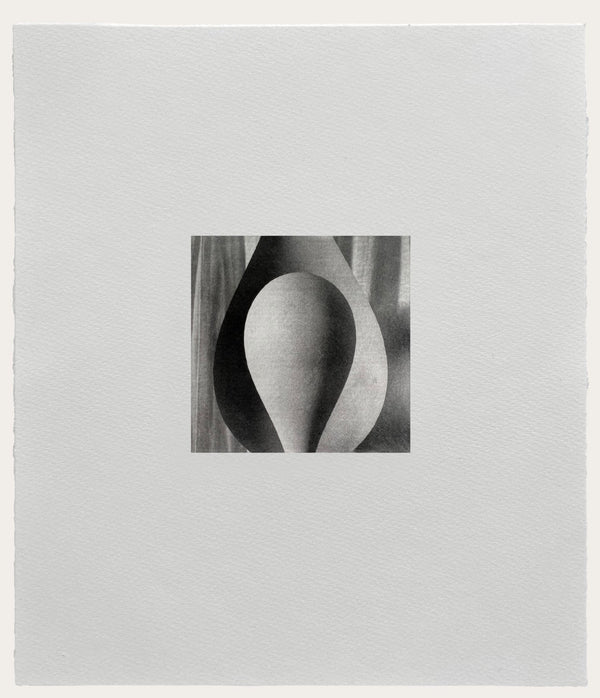
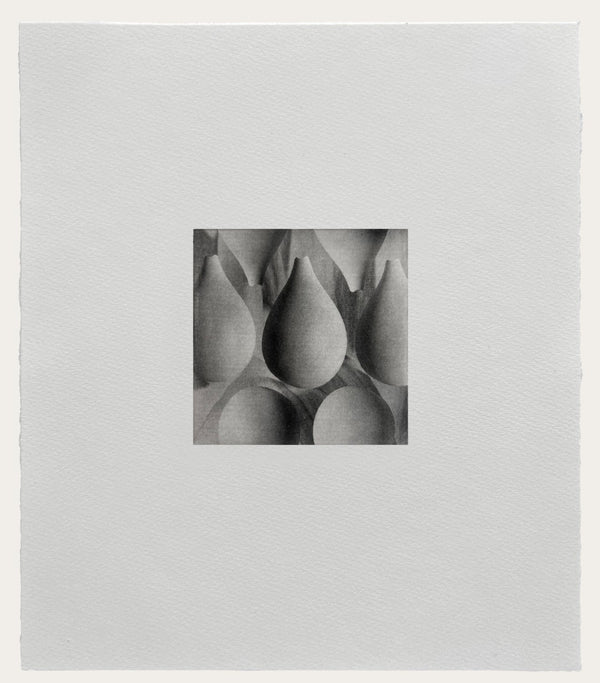
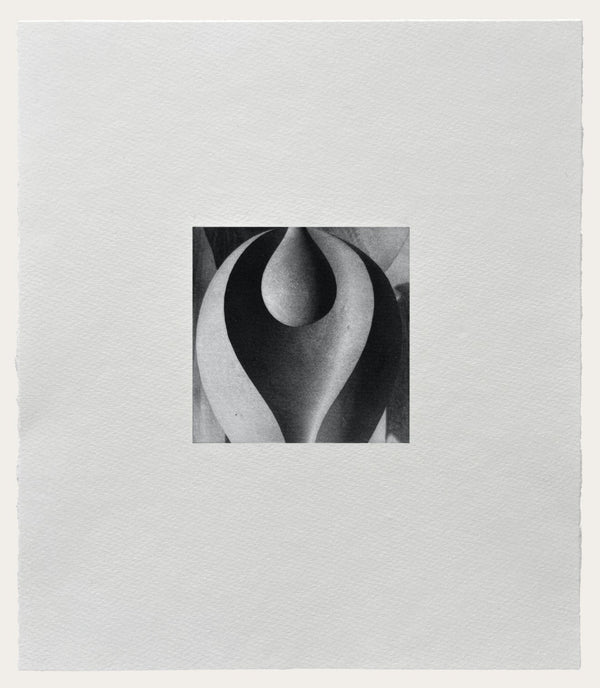
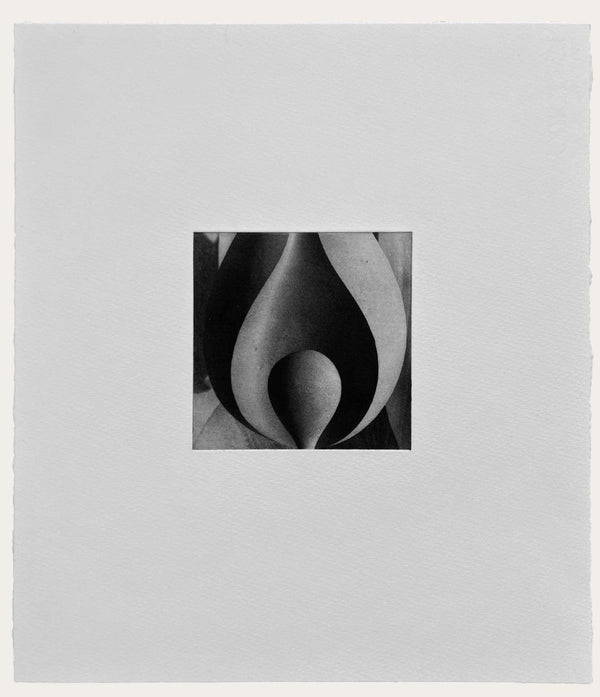
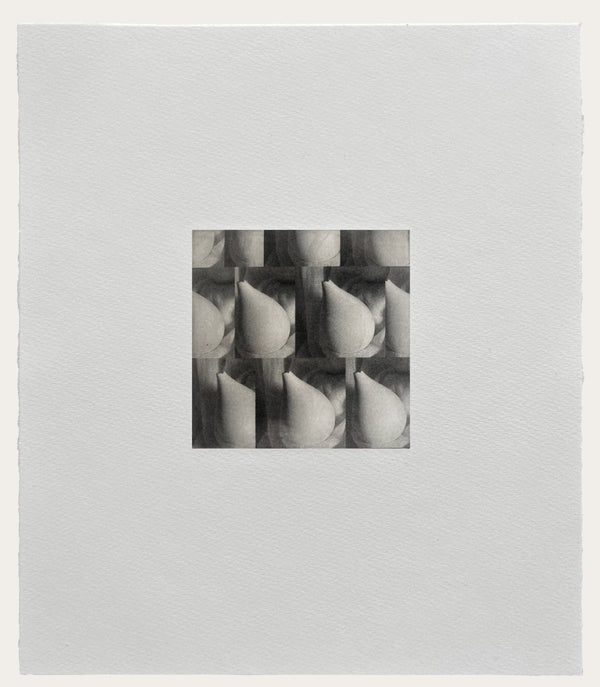
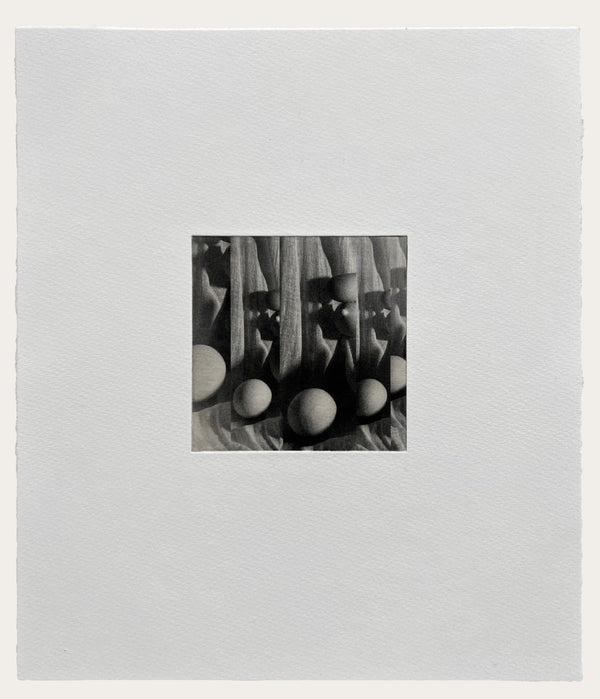
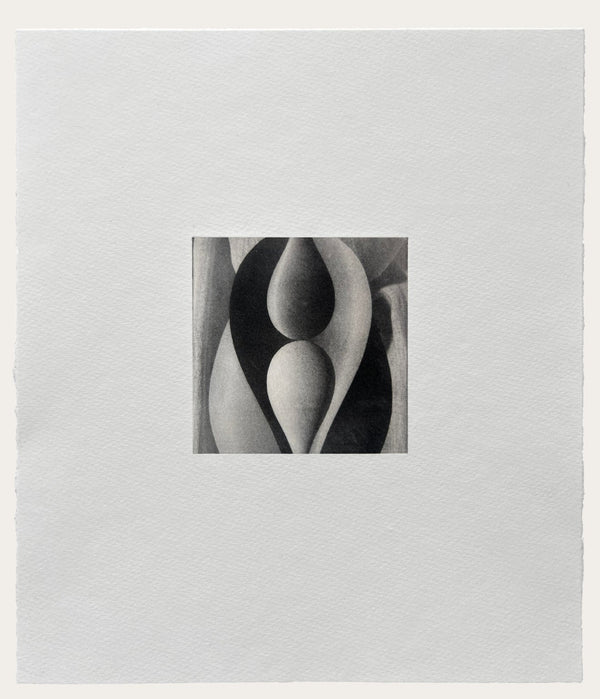
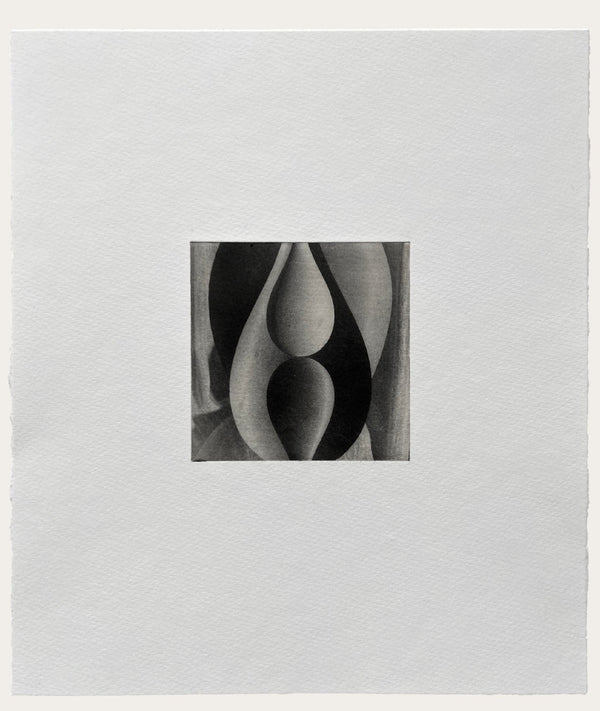
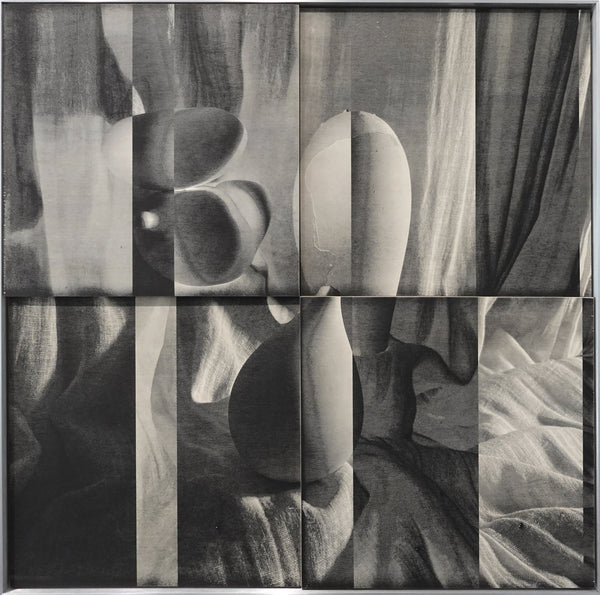
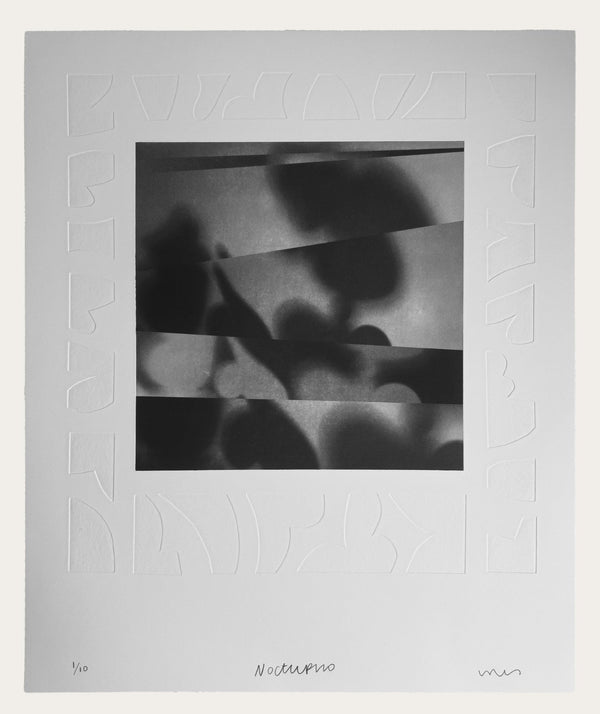
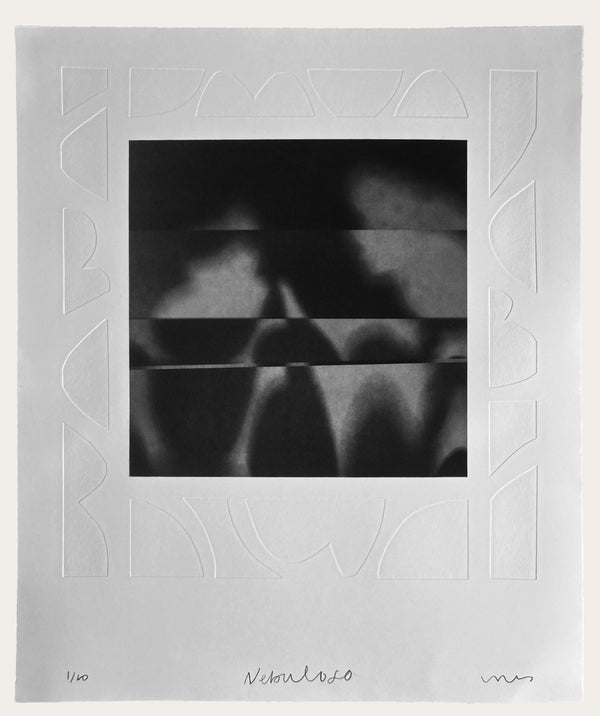
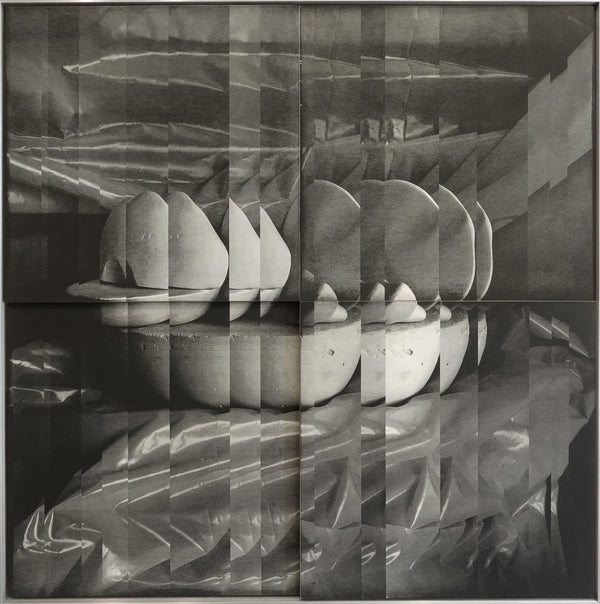
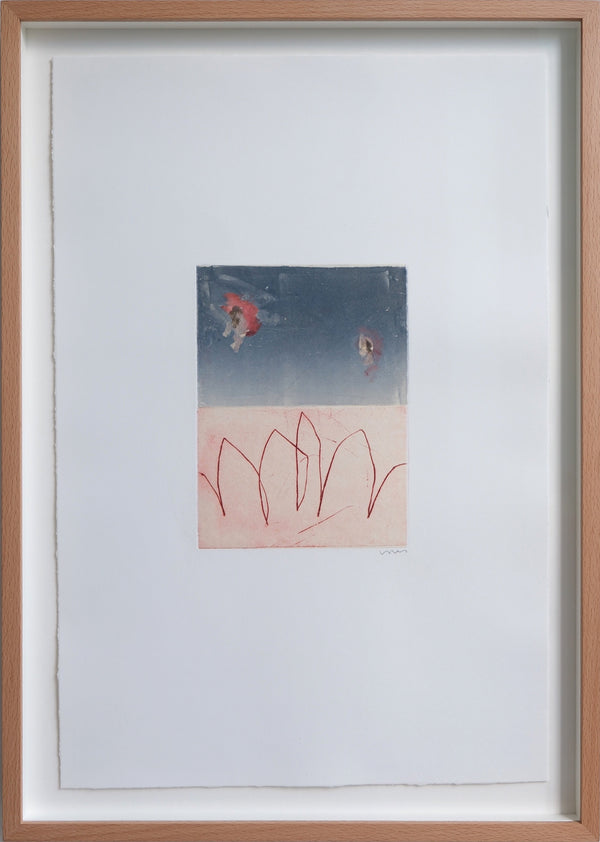
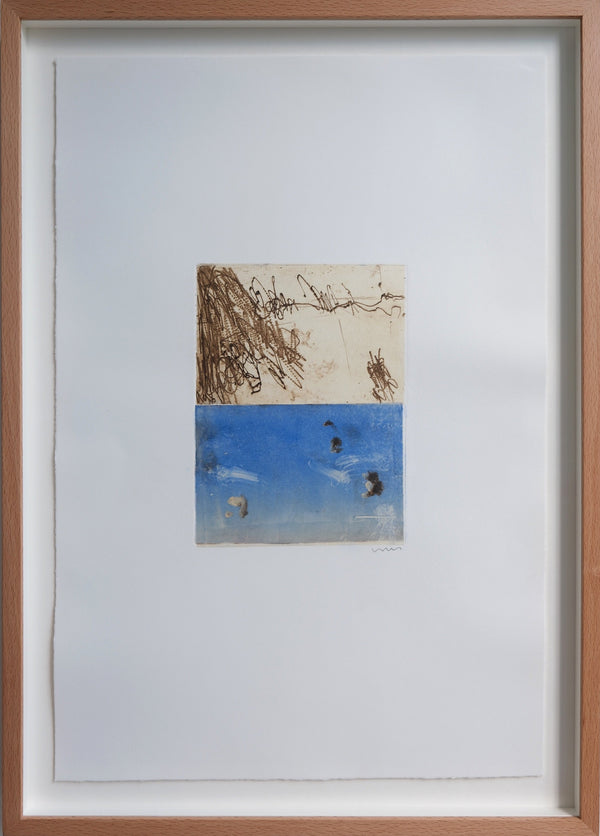
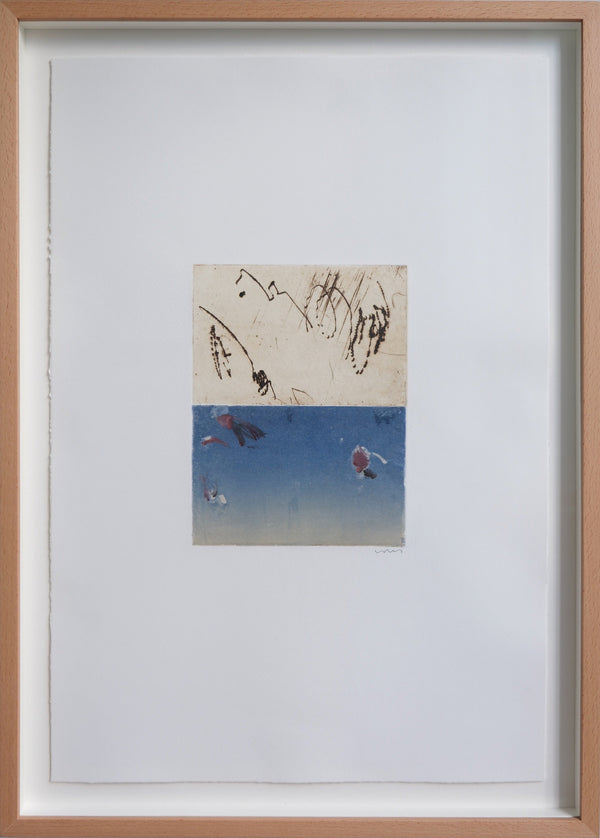
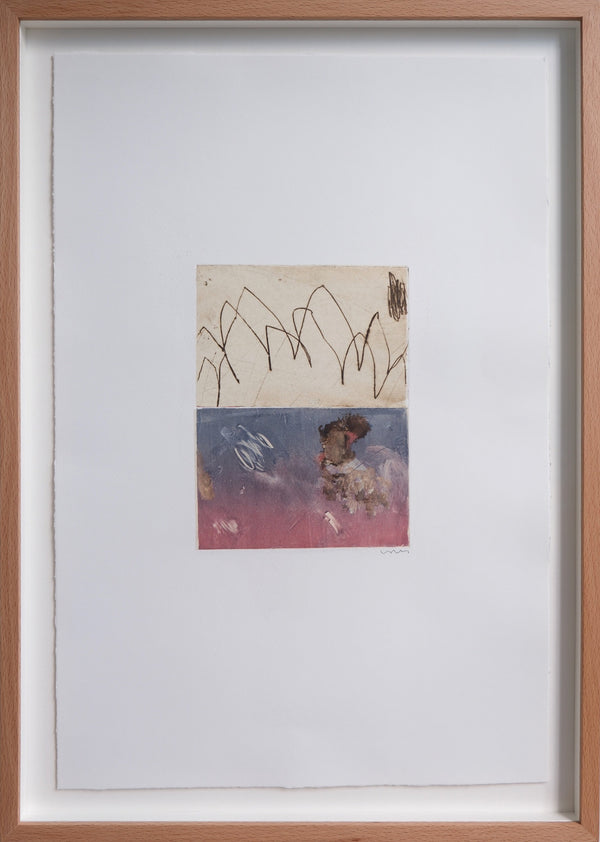
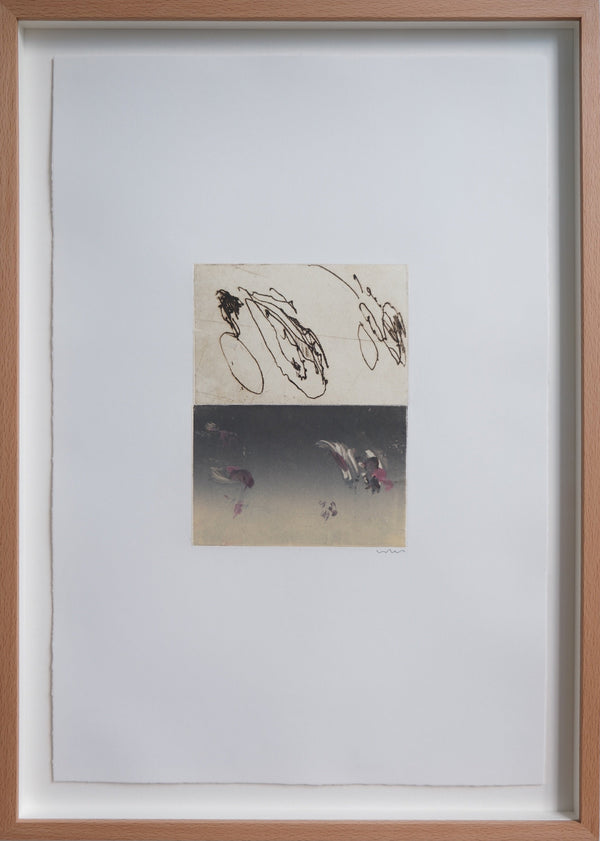
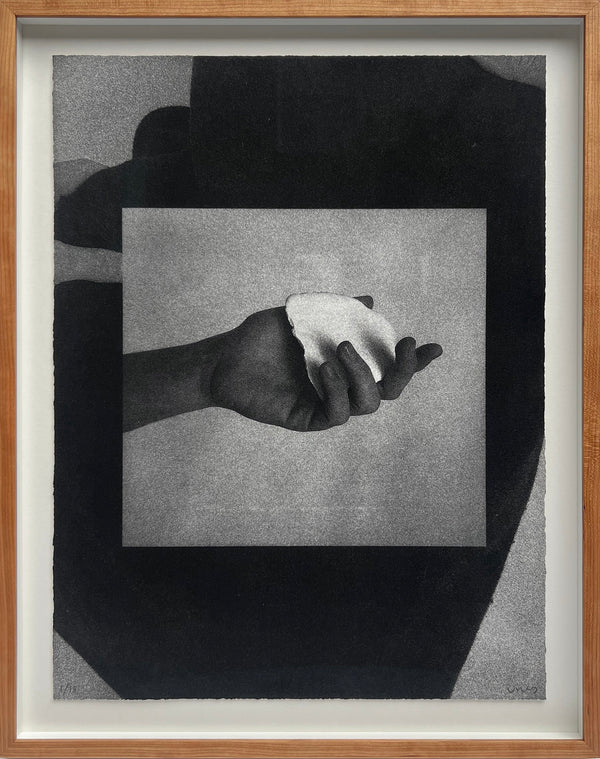
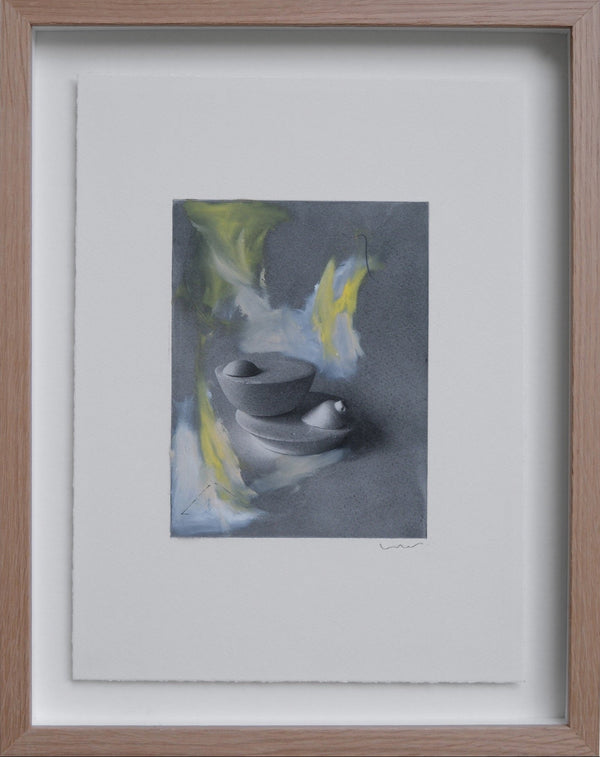
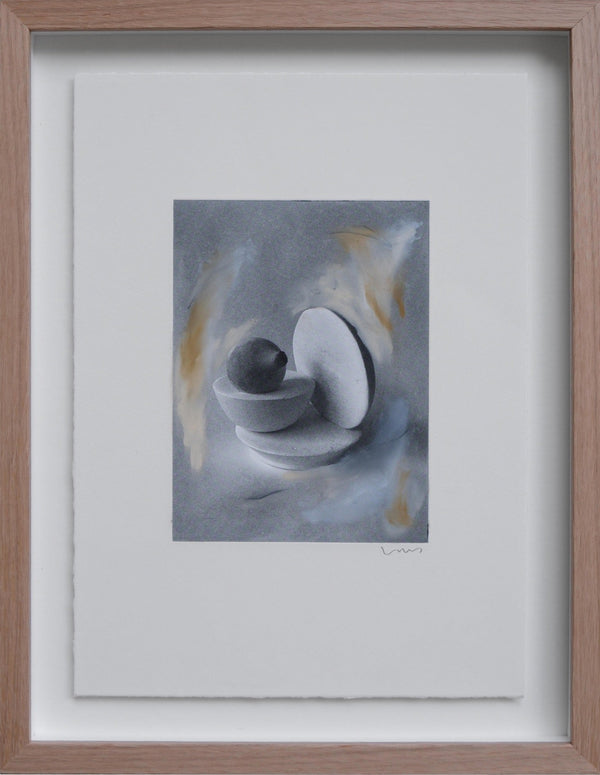
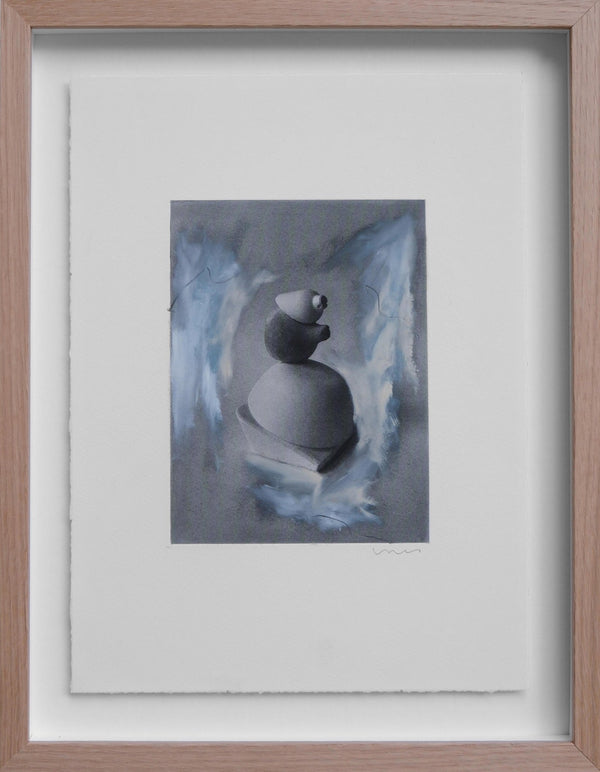
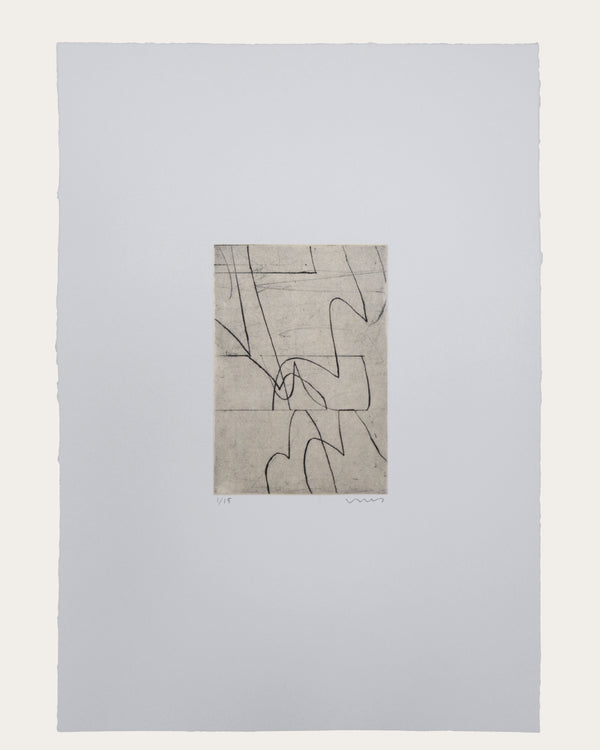
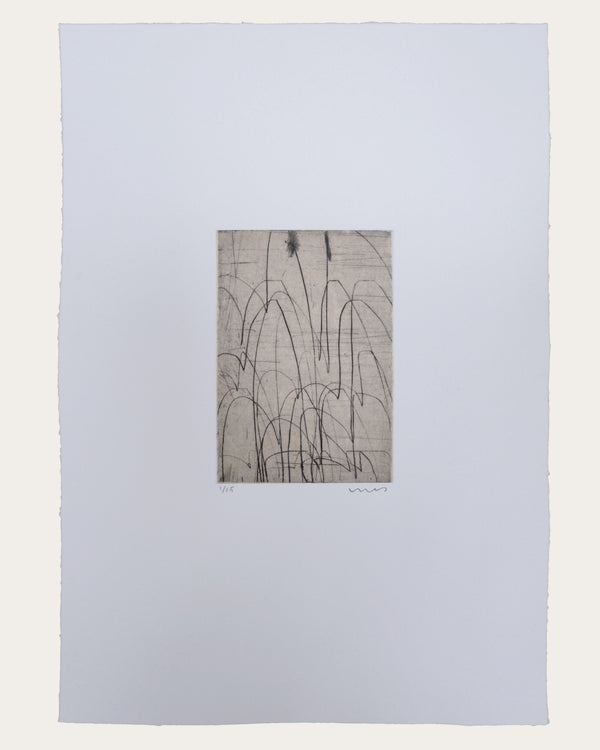
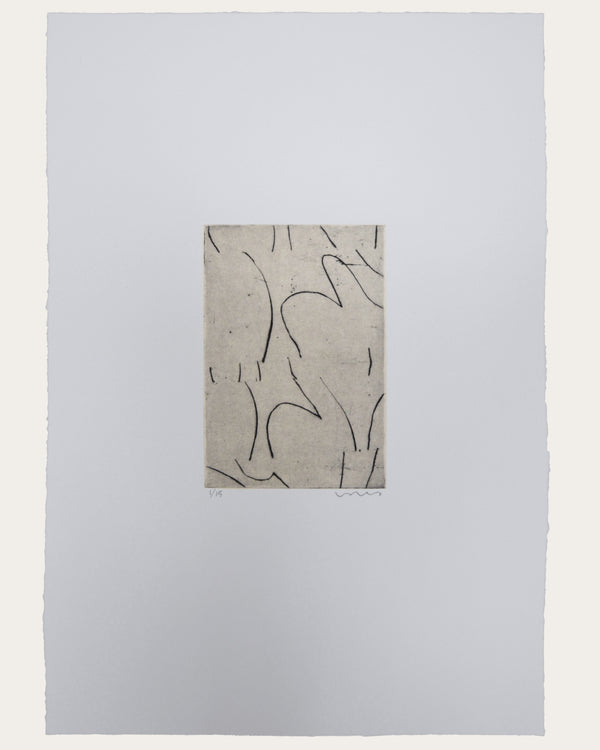
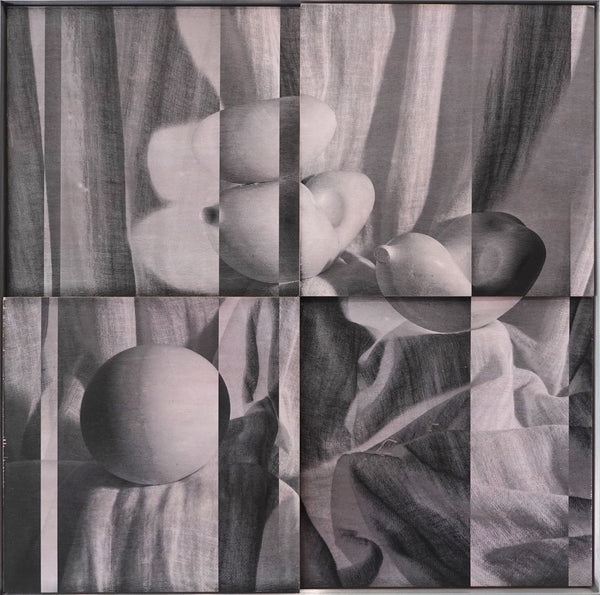
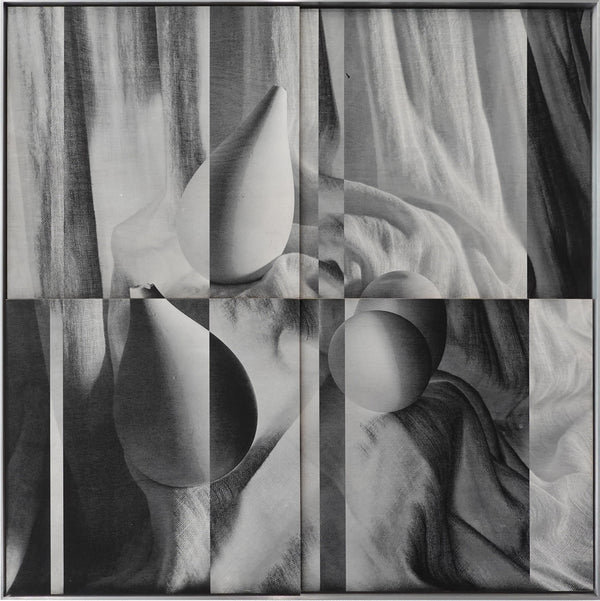
Ines Fernandez de Cordova’s multidisciplinary practice explores uncanny, imagined scenes rooted in sculptural forms. Using plaster and jesmonite, she embraces the delicate, unstable nature of her sculptures, employing repetition and collage to imply shifting movement. While her physical objects evoke motion, her printmaking practice serves to arrest it, fixing each composition in time. A recurring theme in her work is sequence; through mirrored and parallel forms, she suggests an unfolding narrative that hints at a story existing just beyond the frame.
Born in Santa Cruz de la Sierra, Bolivia, Ines has lived and worked in London since 2011. She earned both her BA in Illustration and an MA in Printmaking from Camberwell College of Arts. Alongside her own artistic practice, she works as a print technician at Camberwell and assists the artist Anita Klein.
“The sculptures are not literal representations,” she notes. “The intention is that hopefully they evoke a feeling and perhaps nudge a memory for the person looking at them.”
Ines Fernandez de Cordova
Ines Fernandez de Cordova’s multidisciplinary practice explores uncanny, imagined scenes rooted in sculptural forms. Using plaster and jesmonite, she embraces the delicate, unstable nature of her sculptures, employing repetition and collage to imply shifting movement. While her physical objects evoke motion, her printmaking practice serves to arrest it, fixing each composition in time. A recurring theme in her work is sequence; through mirrored and parallel forms, she suggests an unfolding narrative that hints at a story existing just beyond the frame.
Born in Santa Cruz de la Sierra, Bolivia, Ines has lived and worked in London since 2011. She earned both her BA in Illustration and an MA in Printmaking from Camberwell College of Arts. Alongside her own artistic practice, she works as a print technician at Camberwell and assists the artist Anita Klein.
“The sculptures are not literal representations,” she notes. “The intention is that hopefully they evoke a feeling and perhaps nudge a memory for the person looking at them.”


AVAILABLE ARTWORKS

ARCHIVE
LEVEL GROUND
2026