What are the subtle visual or sensory cues that distinguish a home that is genuinely lived-in from one that is simply styled to look that way?
It’s evidence of life, really. A genuinely lived-in home is imperfect. Things have migrated from where they were originally put, there are books left open, a chair pulled towards the fire, and a dog sprawled on a sofa it absolutely wasn’t intended for.
There’s also a softness that comes with time. Fabrics fade, rugs wear in the place people walk on them – these aren’t flaws, but they’re what give a room character and make it feel alive. When something is styled, it’s often just an object to fill a gap, but when it’s a lived-in home, these pieces have stories – they speak to us and remind us of who we are. They are a tangible connection to the real lives of their owners. Not everything will necessarily go together, but they somehow belong.
Comfort is also a huge part of it; a lived-in home will always have lamps in just the right places and a table to put your drink on just where you need it. A room that is designed around daily rituals feels very different to one designed to be looked at.

What is your favourite tip to make a brand-new or recently renovated space feel warm and lived in?
The trick is to build a sense of belonging – and I love doing this through introducing found pieces. In one of my first homes, a nondescript house built in the 1990s, I brought in all manner of pieces, which brought with them stories and imparted a sense of history, triggering an emotional connection and a sense of place. Antiques come loaded with meaning and I love that. You don’t need to make grand gestures; just be willing to be bold and curious. A room shouldn’t feel rigid, it needs to feel like it can evolve with you.
Lighting is another very practical thing you can play with to make a space feel lived in. Plug in lamps quickly bring magic to a space and make it feel much more intimate and are easy to take with you. Our NiX collection started with lighting – I wanted to think not just about how a light works, but how it activates the space and changes the mood.

What is your formula for intentionally blending new pieces with antiques and family heirlooms?
It’s all about how you weave them together in a way that feels connected and appropriate to how you live and the building itself. I like to think carefully about texture, because this can be a great way to create a dialogue between pieces and make a home that feels settled and inviting. A rough timeworn piece can sing when it’s set against something sleek and new. Painted furniture is brilliant for this, because it can cut through a space while allowing other pieces to shine. My NiX collection has grown out of that and includes many painted pieces, including four-poster beds and bedside tables, which I designed to work really well alongside antiques.

How do you use art (whether curated, found, or sentimental) to shape the personal story of a space rather than just fill empty walls?
I don’t have a rigid formula, and I like to play around with where I hang pieces to create a sense of the unexpected. I’m always aiming for a certain happenstance in my interiors – that feeling that things have found their place organically rather than everything having been overly laboured.
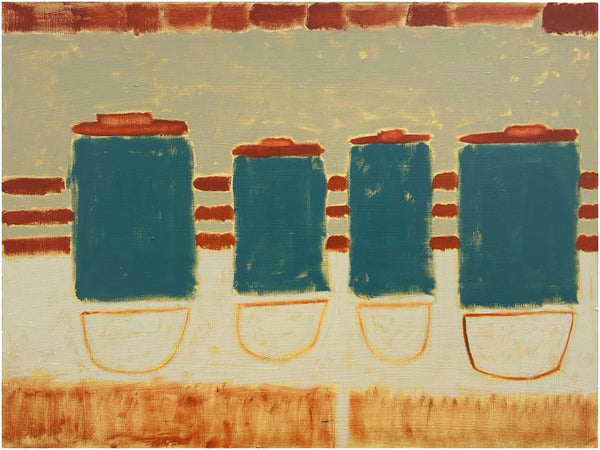
Art is wonderful for that because you can undo so many of the perceived rules. I don’t like to put the most expensive piece above the mantelpiece; in fact, in our house it sits in a little corner, which somehow sets it off far better and feels right for us. I also love to mix pieces of completely different value and provenance – in our kitchen there is a piece that cost peanuts from a flea market that reminds me of a place we used to go on family holidays, hanging alongside something much grander. It’s that dynamic between things that gives a room a story.
You have to give yourself permission to experiment - move things around, try them in different rooms and find unusual resting places for them that feel right for you.

How do you construct colour palettes that feel like they’ve evolved naturally across different rooms over time?
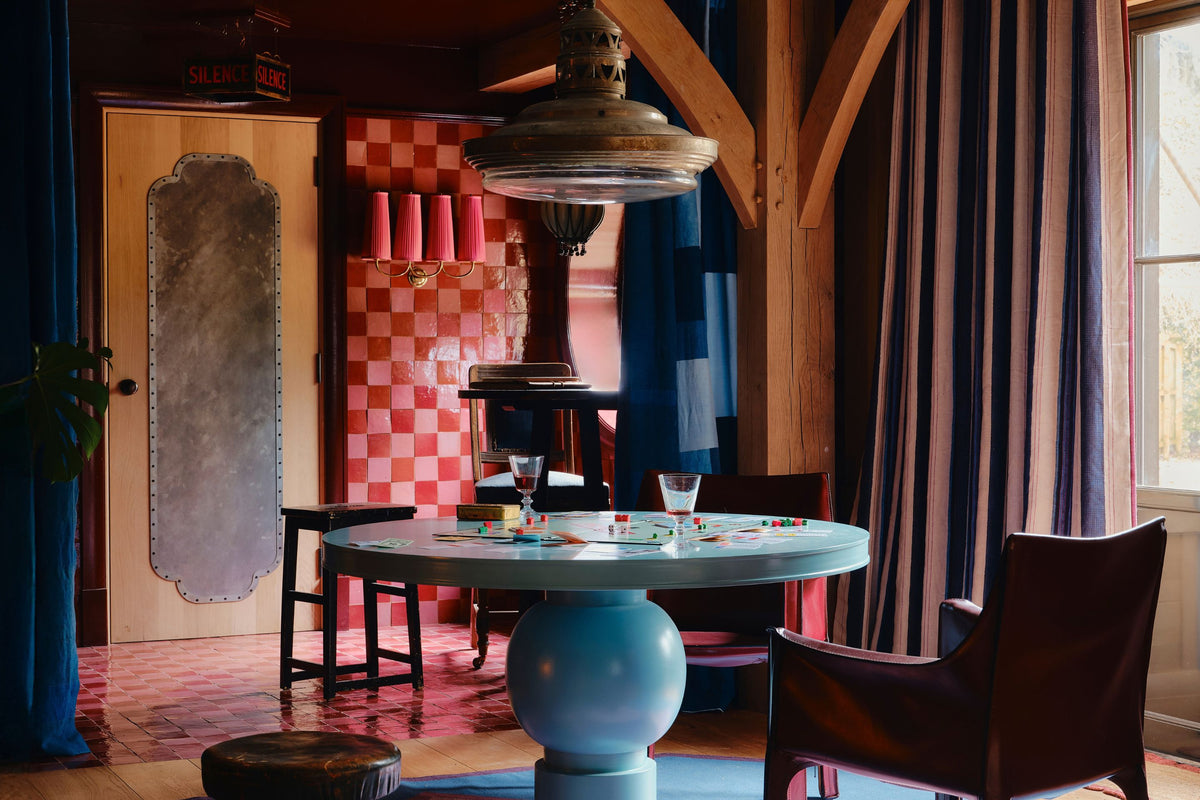
It’s by letting them be imperfect. Be interested in the clash and colours that feel like they might have a bit of a tension between them. Paint charts often tell us what the combination is, but if you look around the edges you’ll discover colours that are intriguing. Those slightly uncomfortable combinations can be so satisfying and give the sense that a palette has evolved over time. I love colours like a dirty white with a pink, or a bluey-green on the walls with aqua woodwork.
A word of warning: it’s a real mistake to just imagine paint colours only, because they are so different when pieces get added into a room. The character and energy of paint is only realised when the colour is used in combination. I’ve often panicked when I’ve first painted a room that I’ve got it wrong but as soon as you start filling the space with your belongings, it quickly becomes everyone's favourite room. I’ve learnt to hold my nerve. Equally, don’t try to make paint the loudest thing in the room – you want it all to meld together.
DISCOVER NIX X PARTNERSHIP EDITIONS
Discover a new curation of original art - NiX x Partnership Editions. Now on display at the beautiful and welcoming NiX showroom in London, this exhibition invites you to experience art in a deeply liveable context.
FOLLOW NICOLA
@nicolahardingandco | @nixbynicolaharding | nix.nicolaharding.com
PHOTOGRAPHY
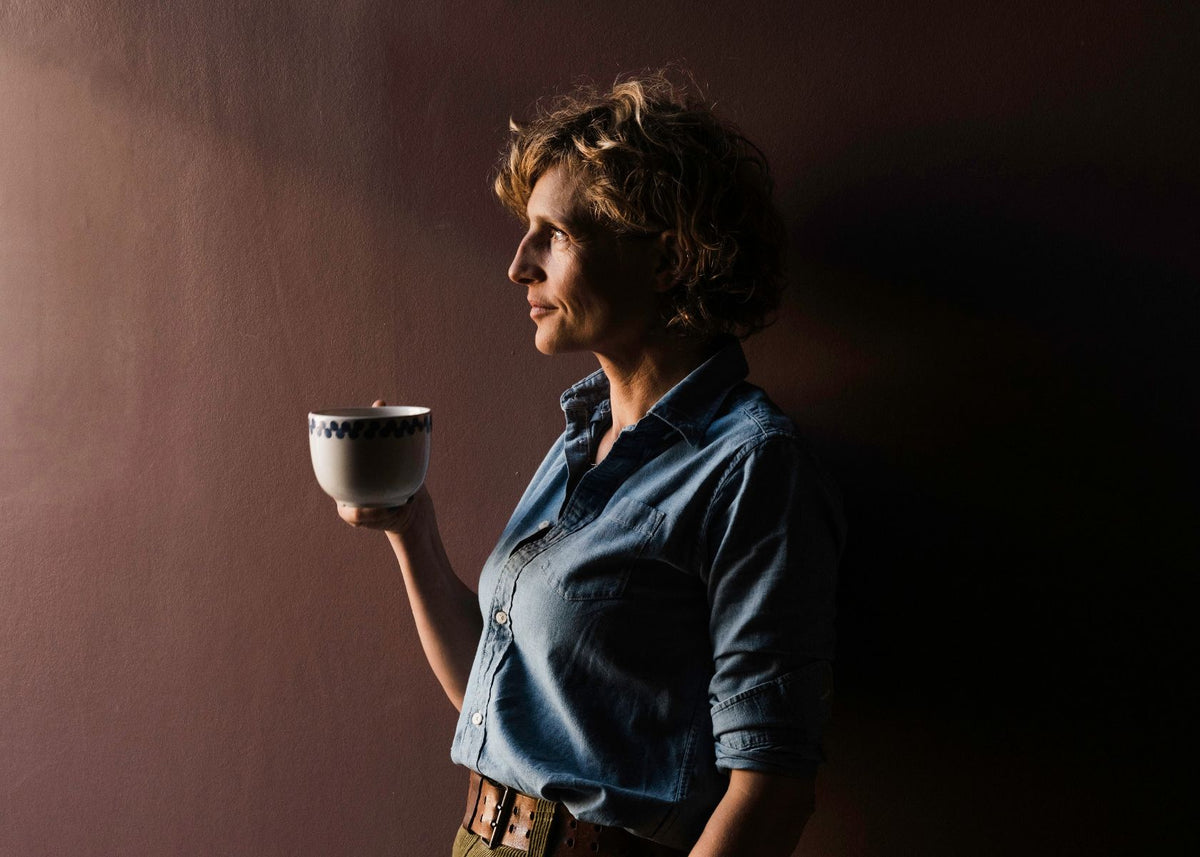
Portrait by Matt Austin
Interior 2 photographed by Paul Massey
Interiors 1, 3 and 4 photographed by Dean Hearne