Ita MAUDE Wooller
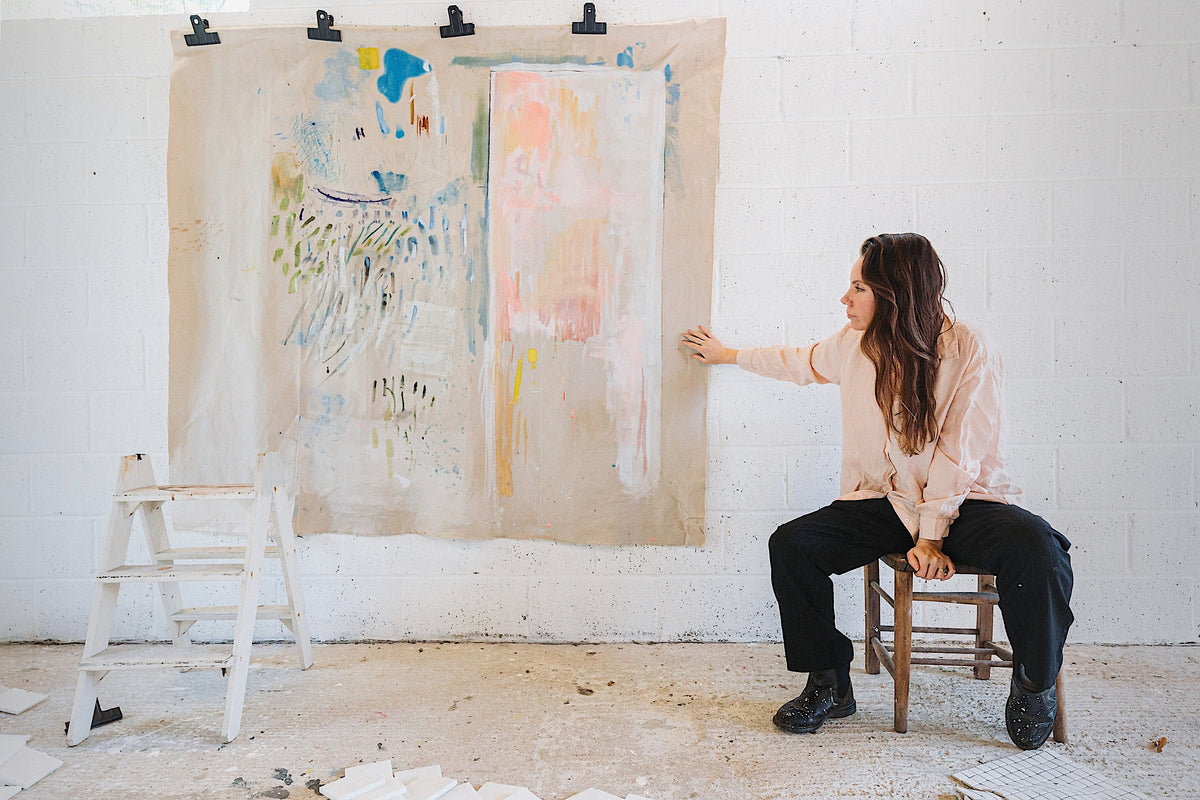
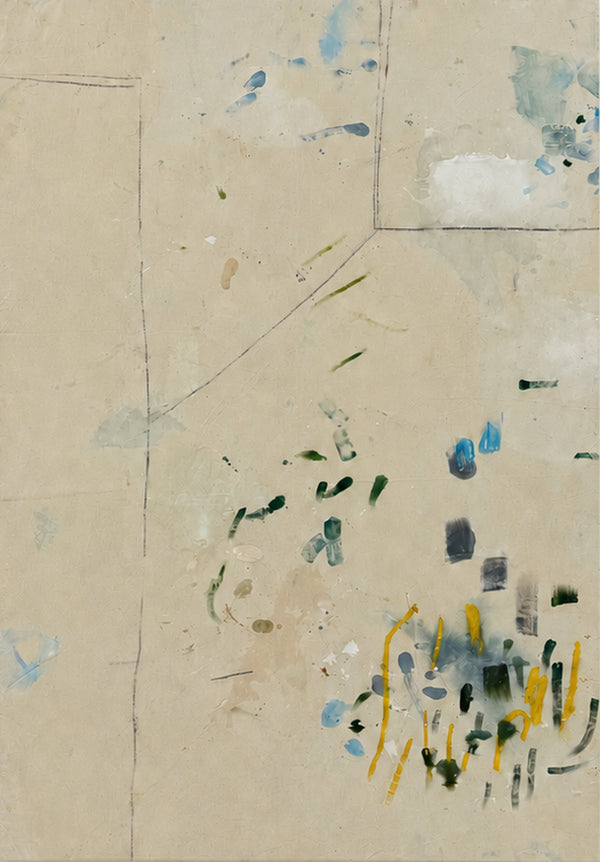
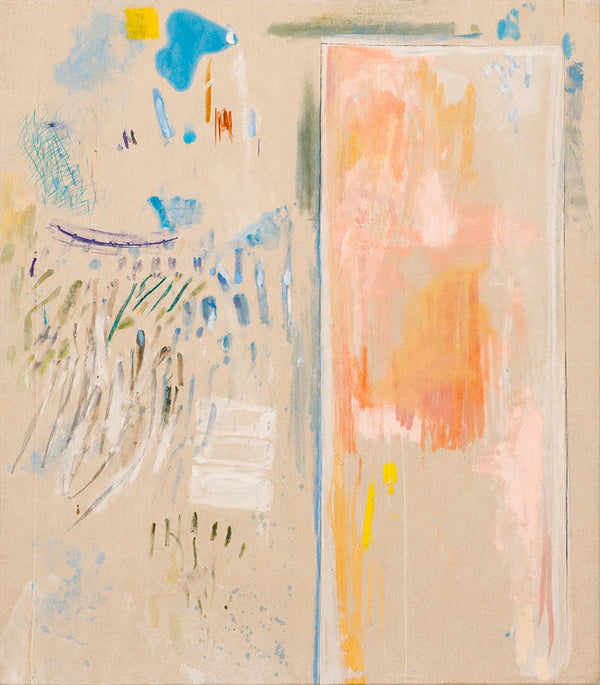
Artist Ita Maude Wooller works across painting, sculpture, and installation to examine how we construct reality through a continuous negotiation between interior experience and external space. Using personal history as a point of departure, her practice transforms domestic interiors, thresholds, gardens, and architectural motifs into visual thinking devices. She builds raw canvas surfaces through a tactile, sculptural approach - accumulating, erasing, and reconstructing oil paint, pencil, varnish, plaster, and marble dust to explore opposing states of presence and absence, security and uncertainty.
By bringing surface relief into dynamic dialogue with active negative space, Ita’s multidisciplinary work interrogates the emotional architectures upon which we hang our daily lives. Her evolving visual language bridges the physical and the psychological, translating three-dimensional spatial relationships onto the two-dimensional plane to examine the subtle tensions between care, neglect, growth, and entropy.
Her process functions as a deeply human impulse toward stability. As Ita explains: “My work begins with my own lived experience and examines how we each create order, safety, and meaning within conditions of continual change.”
Ita MAUDE Wooller
Artist Ita Maude Wooller works across painting, sculpture, and installation to examine how we construct reality through a continuous negotiation between interior experience and external space. Using personal history as a point of departure, her practice transforms domestic interiors, thresholds, gardens, and architectural motifs into visual thinking devices. She builds raw canvas surfaces through a tactile, sculptural approach - accumulating, erasing, and reconstructing oil paint, pencil, varnish, plaster, and marble dust to explore opposing states of presence and absence, security and uncertainty.
By bringing surface relief into dynamic dialogue with active negative space, Ita’s multidisciplinary work interrogates the emotional architectures upon which we hang our daily lives. Her evolving visual language bridges the physical and the psychological, translating three-dimensional spatial relationships onto the two-dimensional plane to examine the subtle tensions between care, neglect, growth, and entropy.
Her process functions as a deeply human impulse toward stability. As Ita explains: “My work begins with my own lived experience and examines how we each create order, safety, and meaning within conditions of continual change.”


AVAILABLE ARTWORKS


ARCHIVE

LEVEL GROUND
2026